
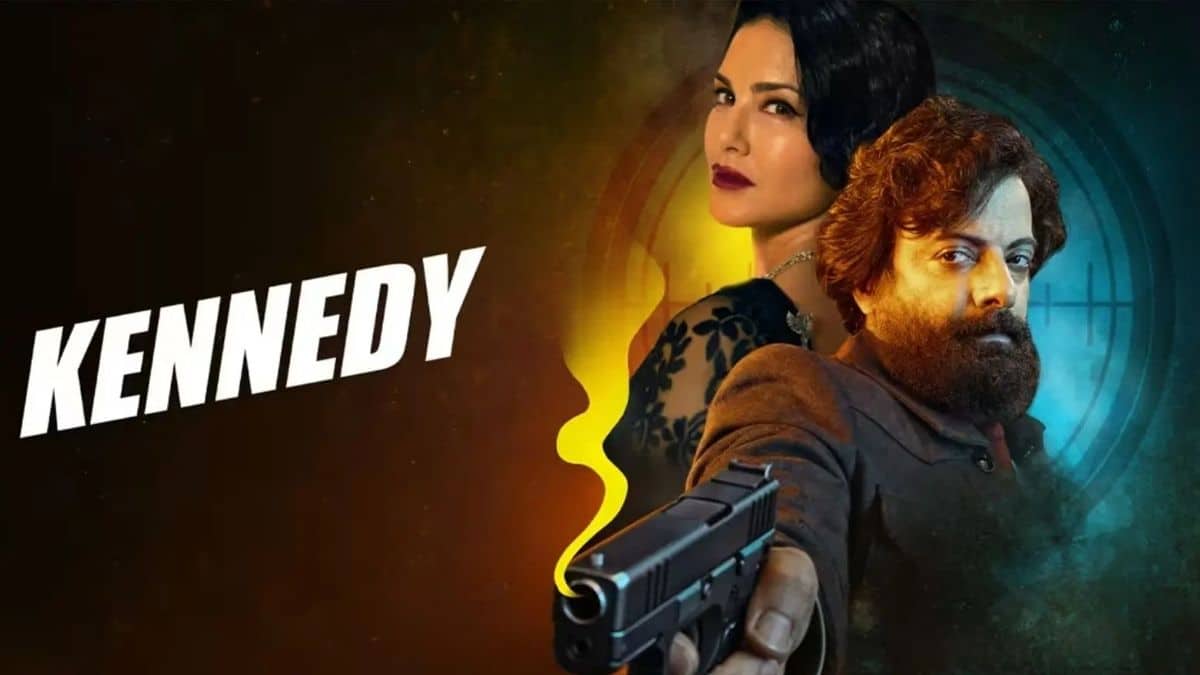
Lucknow: Directed by Anurag Kashyap, Kennedy is a brooding neo-noir crime thriller that slithers through the rain-lashed underbelly of Mumbai during the isolating haze of the COVID era. Premiering in the Midnight section at the Cannes Film Festival in 2023 before landing on ZEE5, the film marks a moody, if uneven, return to form for a director once hailed as the enfant terrible of Indian cinema. Dark, political, and defiantly abrasive, Kennedy is less a conventional thriller and more a descent into a moral abyss.
Rahul Bhat plays the titular character—an insomniac ex-cop presumed dead, now resurrected as a contract killer working for the very corrupt machinery he once served. Operating in shadows, Kennedy is a ghost in plain sight: methodical, emotionally anaesthetized, and chillingly efficient. Bhat delivers a performance of striking physical control. His Kennedy barely blinks, barely emotes, yet radiates a coiled menace. There is something reptilian in the way he moves—silent, deliberate, predatory. He doesn’t so much inhabit scenes as haunt them.
The first hour is where the film is at its most assured. Kashyap orchestrates a slow-burn symphony of dread—long nocturnal takes, sharp cuts, silences that stretch uncomfortably, and bursts of violence that rupture the calm without warning. Cinematographer Sylvester Fonseca paints Mumbai in varnished blacks and sickly neons, transforming familiar streets into something infernal. The city becomes a character in itself—humid, corrupt, complicit. Under COVID restrictions, its emptiness feels uncanny, amplifying the isolation that defines Kennedy’s psychological state.
One standout sequence—arguably among Kashyap’s most memorable in years—unfolds as a grotesquely comic execution scene. What begins with awkward conversation spirals into absurd brutality, blending horror with pitch-black humor. It’s a masterclass in tonal manipulation: the audience is forced to laugh, recoil, and question their own complicity in enjoying such carnage. In moments like this, Kashyap channels the fearless provocateur who made Gangs of Wasseypur and Black Friday such enduring landmarks.
Sunny Leone appears in a supporting role that subverts expectations. Rather than glamorized distraction, her character adds emotional and narrative texture. There is fragility beneath her presence—an undercurrent of survival instinct that mirrors Kennedy’s own transactional existence. Though not central, she provides a counterpoint to the protagonist’s cold detachment, reminding us that even in depravity, longing flickers.
Politically, Kennedy is unapologetic. Kashyap laces the screenplay with barbed anti-establishment commentary. Police apathy, systemic rot, and the grotesque intimacy between power and criminality are laid bare. Dialogues jab sharply at real-world political climates without ever naming names outright. The pandemic backdrop deepens this critique—an era when institutions failed many, and fear became currency. In Kennedy’s world, morality is not just compromised; it is commodified.
Yet for all its craft and atmosphere, the film struggles to sustain narrative propulsion in the second half. What begins as a tightly wound character study gradually grows tangled. Twists pile upon twists, motivations blur, and subplots weave in ways that feel more congested than clever. The mood remains intoxicatingly grim, but the storytelling loses some of its earlier precision. Instead of sharpening its thematic blade, the film sometimes circles back into aesthetic indulgence.
There is an argument to be made that this exhaustion is intentional—that the audience is meant to feel trapped in Kennedy’s spiral. His insomnia becomes ours; his moral numbness seeps outward. But intention does not always equal impact. The final act, while ambitious, lacks the devastating clarity the setup promises. The emotional payoff feels muted, even as the stylistic bravado persists.

Still, Kennedy is never dull. Even in its narrative meanderings, it commands attention through sheer tonal conviction. Kashyap’s direction is tactile—you can almost feel the dampness of the night air, the metallic tang of blood, the oppressive weight of secrecy. The sound design hums with unease; the silences are as loaded as the gunshots. It is cinema that demands immersion, not passive consumption.
What ultimately makes Kennedy compelling is its portrait of a man—and by extension, a system—beyond redemption. Kennedy himself is not searching for absolution. He operates with what seems like supernatural indifference to life, including his own. Revenge simmers, but it is less fiery vendetta and more cold inevitability. He moves because he must, kills because he’s ordered to, and exists in a limbo between life and death. In that sense, he is both product and symptom of the corruption around him.
Compared to Kashyap’s recent output, Kennedy feels more distinctive and daring. It may not reach the sprawling operatic highs of Gangs of Wasseypur or the investigative urgency of Black Friday, but it pulses with a renewed creative restlessness. There is risk here—tonal risk, structural risk, political risk. Not all of it lands, but the attempt itself feels vital.
This is not a film designed for comfort. Its unrelenting darkness and deliberate pacing demand patience. Viewers seeking clean resolutions or cathartic justice may find themselves frustrated. But for those willing to sink into its murk, Kennedy offers a haunting meditation on decay—personal, institutional, existential.
In the end, Kennedy stands as a flawed yet formidable addition to Kashyap’s oeuvre. Strong craft, standout sequences, and a vintage edge make it worth the descent into the gloom—even if it occasionally mistakes atmosphere for substance. It lingers less as a tightly plotted thriller and more as a mood piece, a fever dream of violence and vacancy.
Rating: 7.5/10
A stylish, skin-pricking neo-noir that revives Kashyap’s darker instincts—uneven but undeniably arresting.